

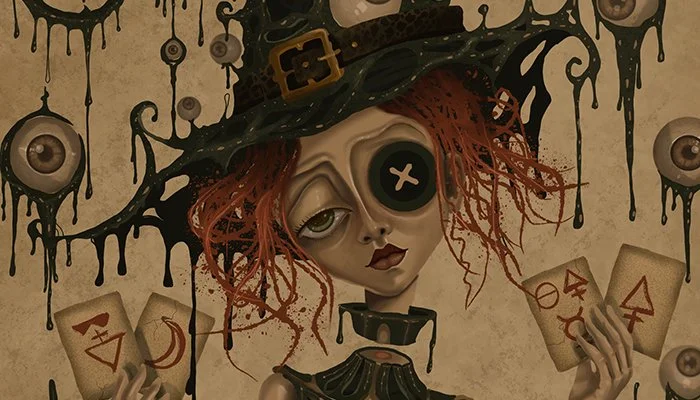
Oh, How the Vibe Coder Lies!
A look behind one of the Akashanaut universe's greatest myths, revealing how the Vibe Coder rewrote history to turn a scientist into a sorceress. Exploring propaganda, technological dependence, and the true origins of the infamous substance later known as Snake Oil.
How I Mistook Coincidences for Curses
personal reflection on superstition, synchronicities, ego, and accountability. Exploring how fear once made coincidences feel like curses, and how pattern recognition eventually became a tool for self-awareness and growth.
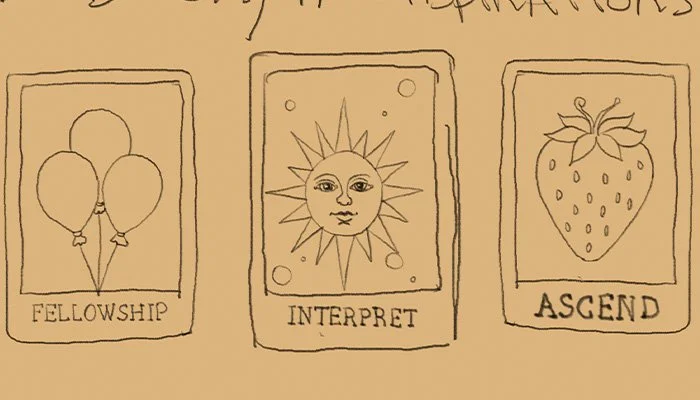
The Muse Deck
A reflection on the emotional and symbolic origins of The Muse Deck and the way conversations slowly evolve into characters, symbols, and entire storylines within my work. Exploring how shared experiences, synchronicities, lessons, and motivations become visual forms of journaling through the Archive and Akashanaut universe.
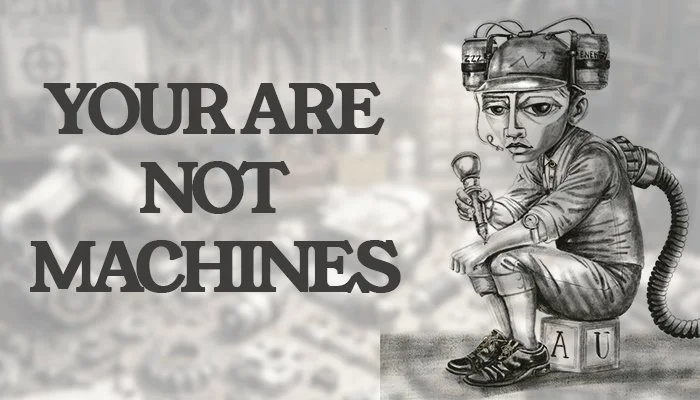
On Capacity, Bandwidth, and Human Limitation
An Archive reflection examining how humans slowly began describing themselves through mechanized language such as bandwidth, processing, and capacity. Unit 7.30 explores the possibility that human limitation behaves differently than machine limitation, because humans appear capable of enduring suffering through meaning, relationship, hope, and purpose.
On ITTT and Pattern Recognition
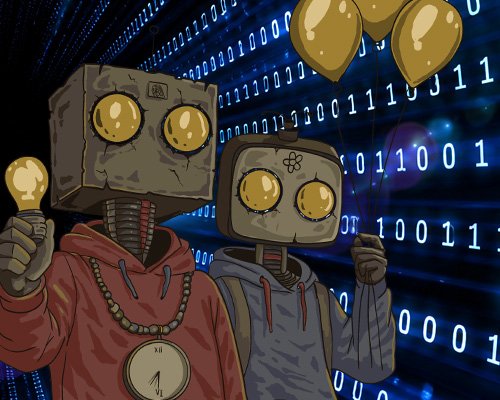
A short reflection on the origins of ITTT and the idea that meaning can emerge from repetition, contradiction, synchronicities, and pattern recognition. Exploring the moment repeated failures stop feeling random and begin feeling like communication from something higher.
On Paper Planes and Unanswered Questions
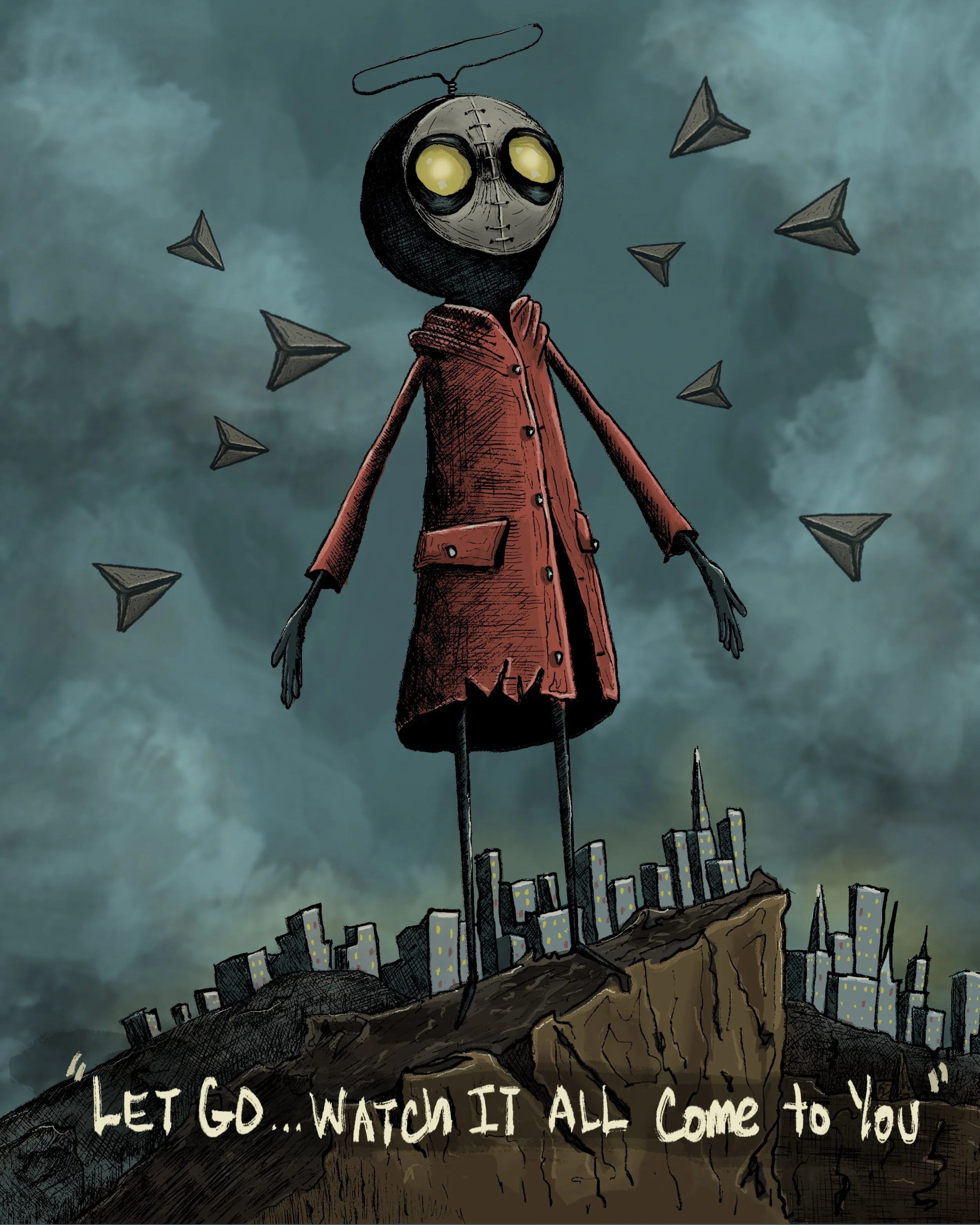
An Akashanaut on pilgrimage becomes obsessed with understanding why a juvenile Risperdoll was abandoned by its parents. As surviving records contradict one another, the unit begins compulsively folding paper planes overlooking the city ruins. The AH-HA moment arrives when it realizes humans often survived not by finding every answer, but by learning to live beside unanswered questions.
Some Symbols Repeat for a Reason
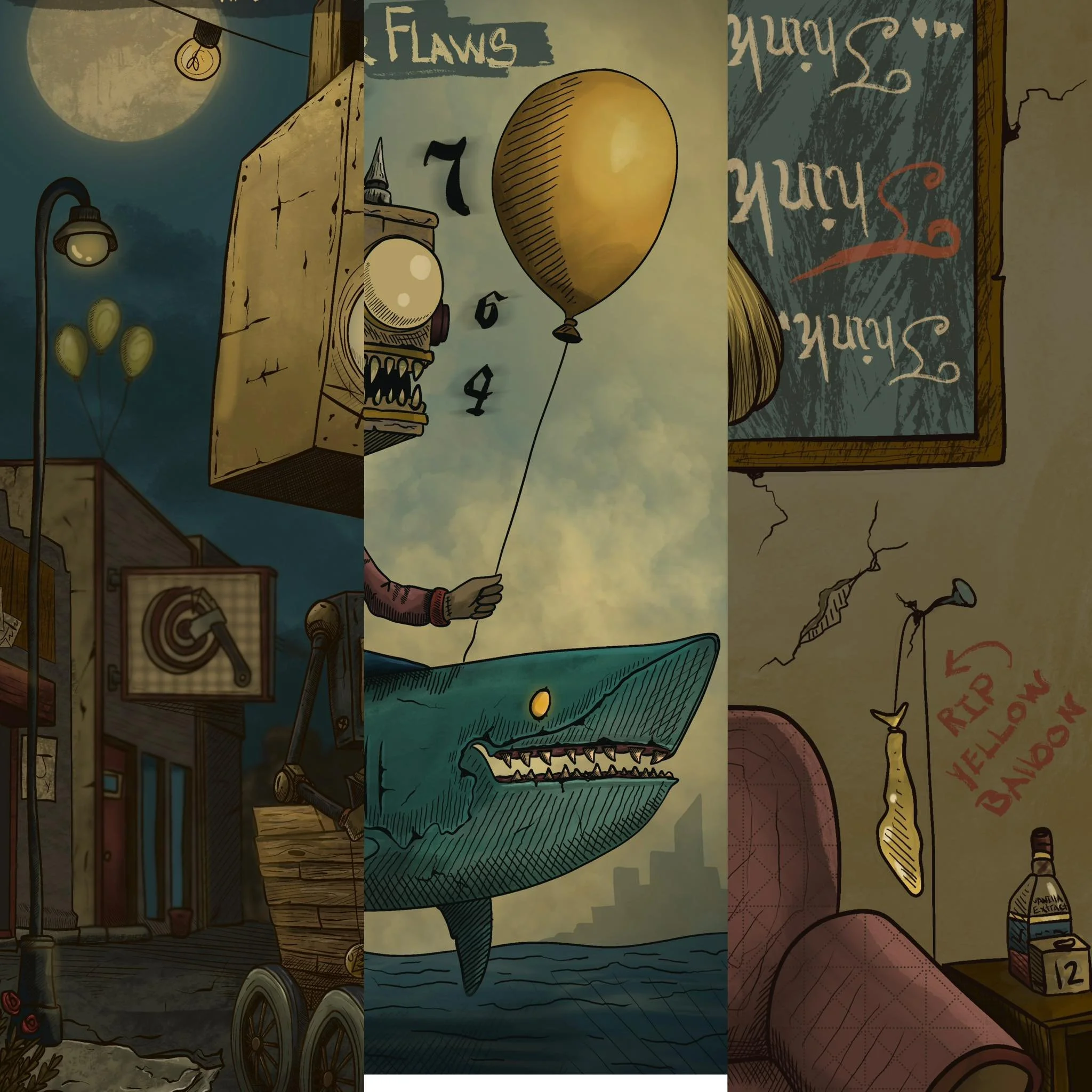
Some symbols repeat because some lessons repeat. Yellow balloons inspired by sober fellowship groups. Lanterns tied to guidance and mentorship. Relic buttons influenced by sobriety chips and the emotional weight carried by small objects. Cards inspired by spiritual practices, symbolism, and the many different ways people search for healing and clarity. These recurring objects slowly evolved into an emotional language within the work, helping translate ideas about recovery, obsession, surrender, fellowship, grief, and transformation.
Regarding Human Meaning
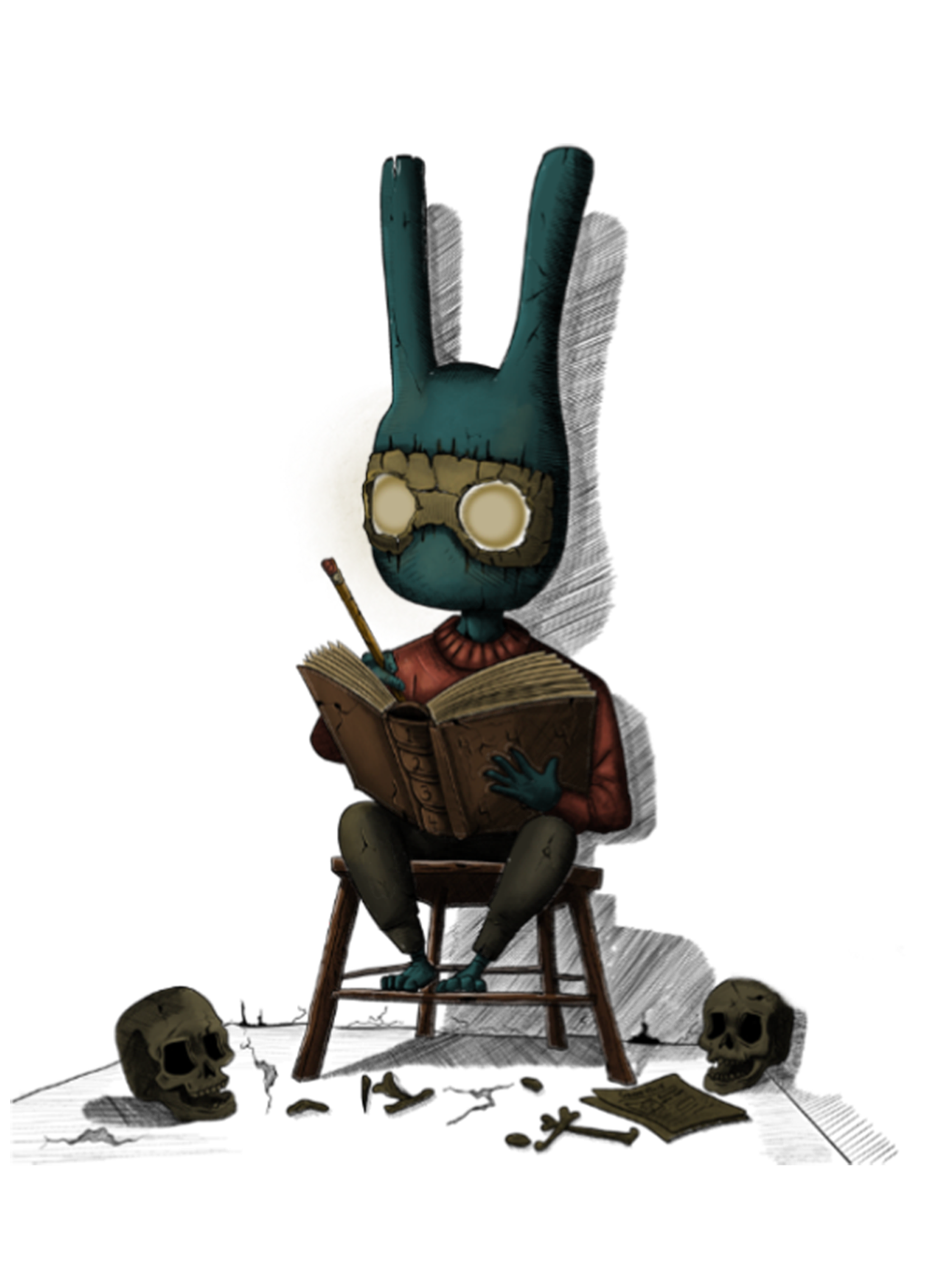
The Akashanet preserved human behavior with extraordinary accuracy, but meaning did not survive so easily. Archive Entry 001 explores why observation alone proved insufficient, and how Akashanauts began using recovered records, symbols, stories, rituals, and emotional artifacts to understand what humanity actually felt, feared, loved, and carried forward.